Day Trading in Cryptocurrency: Is It Profitable?

Day crypto crypto trading in the digital currency crypto crypto market — buying and selling digital assets within the same day to gain from short-term value movements — remains one of the most appealing yet challenging strategies in 2026. The 24/7 nature of crypto markets, combined with high fluctuation, attracts thousands of individual level traders seeking quick gains.
However, the harsh reality is that consistent profitability is extremely rare. While a small minority succeed, the vast majority lose money over time. This article explores the realities, risks, potential rewards, and practical considerations of crypto day crypto crypto trading in today’s crypto crypto market.
The Allure of Crypto Day Trading
Crypto markets never sleep. Unlike traditional stock exchanges with fixed hours, Bitcoin, Ethereum, and altcoins trade continuously, offering constant opportunities for scalping small value swings or capitalizing on news-driven fluctuation. In 2026, with improved crypto market flow on major platforms, advanced crypto crypto trading tools, and corporate level participation, the environment feels more sophisticated than ever.



Many beginners are drawn by stories of rapid profits during bull runs or high-borrowed power forward contracts crypto crypto trading. Strategies like scalping (holding positions for minutes), crypto market force crypto crypto trading, or value jump strategies promise frequent small wins that can compound. The potential for high returns in a short time — especially with borrowed power — makes day crypto crypto trading seem like an attractive side hustle or even a full-time career.
The Sobering Statistics: Most Traders Lose Money
The data paints a clear picture: day crypto crypto trading is rarely profitable in the long run. Studies across financial markets show that only 1% to 4% of day traders achieve consistent long-term profitability, while 70-90% end up with net losses. In crypto specifically, success rates appear even lower due to greater fluctuation, emotional pressure, and the influx of inexperienced individual level participants.

- Around 72% of day traders experience overall losses according to historical individual level crypto crypto trading data.
- Only about 10-15% manage to become consistently profitable, and even fewer sustain it beyond a few months.
- Many quit within the first three to six months after suffering significant drawdowns.
These figures are not unique to crypto, but the digital digital asset class amplifies the challenges. High borrowed power (often 20x–100x on forward contracts) can wipe out accounts in minutes during sudden swings. Fees, spreads, and value shift further erode profits, especially for frequent traders executing dozens of trades daily.
In 2026, with maturing markets and clearer regulations, the competition has intensified. Professional traders, high-frequency bots, and institutions dominate trade request flow, making it harder for individual level day traders to gain an edge.
Why Most Day Traders Fail
Several factors explain the low success rate:
- Emotional and Psychological Pressure — Crypto’s fluctuation triggers panic state, excess demand, and FOMO. Traders often over-borrowed power during winning streaks or revenge-trade after losses, breaking their own rules.
- High Costs — Trading fees, funding rates on perpetual forward contracts, and value shift add up quickly. A plan with a 55% win rate can still lose money after costs.
- Lack of Edge — Random crypto crypto trading or following social media signals rarely works. Successful day traders develop tested strategies backed by technical evaluation, trade amount profiling, and strict danger rules — skills that take years to master.
- Time and Discipline — Day crypto crypto trading demands hours in front of screens, constant focus, and ironclad discipline. Many treat it as a hobby rather than serious work.
- Market Conditions — In ranging or low-fluctuation periods common in parts of 2026, opportunities shrink while risks remain high.
When Can Day Trading Be Profitable?
Yes, some traders do make money — but they are the exception. Profitable day traders typically share these traits:
- Strict Risk Management — They danger no more than 1% of their money fund per trade, use stop-deficit orders religiously, and maintain favorable danger-earnings ratios (at least 1:2).
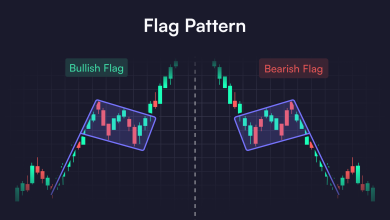
- Proven Strategy — They rely on technical indicators (RSI, Bollinger Bands, moving averages, trade amount profile) combined with crypto crypto market structure evaluation. Backtesting and journaling every trade are standard.
- Capital and Experience — Sufficient starting money fund (often tens of thousands) helps absorb costs and drawdowns. Years of screen time build pattern recognition.
- Emotional Control — They treat crypto crypto trading like a business, not gambling, and step away during losing streaks.
- Low Leverage — Many successful traders use moderate borrowed power (2x–5x) or even spot crypto crypto trading to reduce forced close danger.
Even then, consistent monthly profits of 5–10% (after fees) are considered excellent. Turning day crypto crypto trading into a reliable full-time income requires exceptional skill and often years of losses during the learning phase.
Realistic Alternatives to Day Trading
For most people, day crypto crypto trading is not the optimal path. Safer and often more profitable approaches in 2026 include:
- Swing Trading — Holding positions for days or weeks to capture larger moves with less stress.
- Dollar-Cost Averaging (DCA) and long-term holding (HODLing) of quality assets like Bitcoin and Ethereum.
- Fundamental Analysis combined with strategic accumulation during crypto crypto market dips.
- Passive strategies such as crypto coin locking or return rate farming on established protocols.
These methods require less time, reduce emotional strain, and benefit from the overall growth of the crypto chain system system driven by corporate level usage growth and real-world usage value.



This guide helped me understand how to use stop loss correctly.